

Introduction
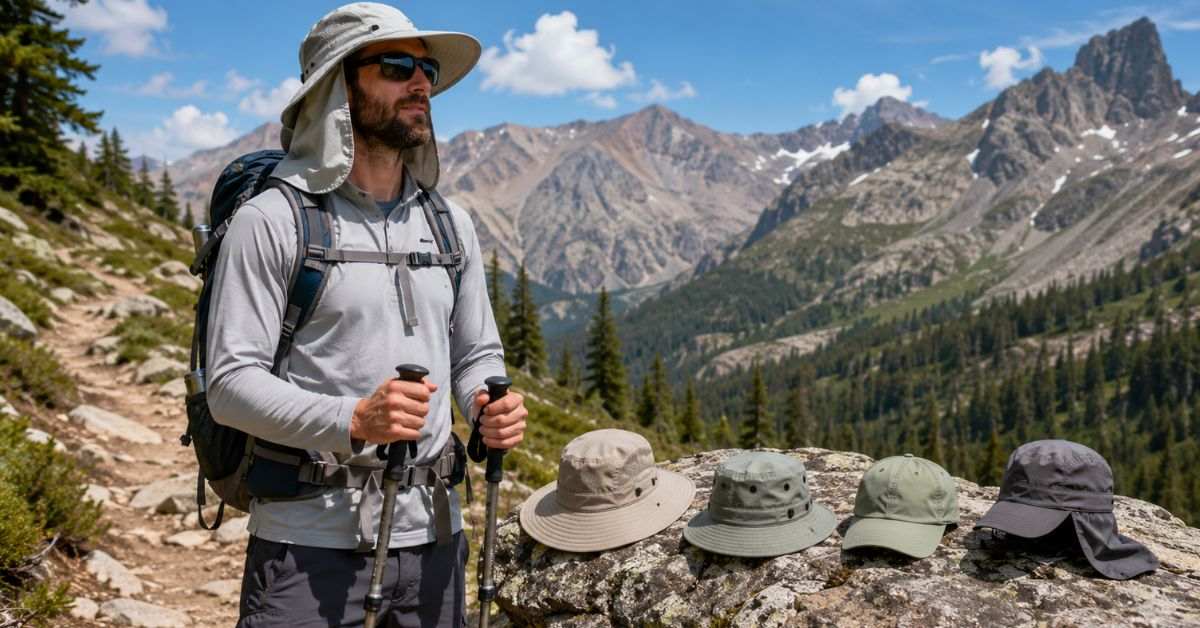
Choosing the best hiking hat improves comfort and sun protection outdoors. A standard cap shades the eyes but often leaves the ears and neck exposed. Technical models manage sweat, dry quickly, and stay secure in the wind.
The best hiking hat for 2026 should match your climate, pace, and preferred coverage. Wide-brim models suit exposed trails, running caps support fast movement, and cape-style hats protect the neck and ears. This guide compares designs for different budgets and trail conditions.
Why a Purpose-Built Hiking Hat Matters
The best hiking hat is practical outdoor equipment, not just an accessory. Hiking-specific models use lightweight, trail-friendly materials.
Important benefits include
- Better coverage: Wide brims and neck capes shade more skin.
- Ventilation: Mesh panels let trapped heat escape.
- Sweat control: Wicking bands keep sweat out of the eyes.
- Secure fit: Chin cords improve stability.
- Quick drying: Synthetic fabrics recover faster after rain.
- Packability: Folding designs fit inside backpacks.
UPF-rated fabric reduces ultraviolet radiation on covered skin. However, even the best hiking hat does not replace sunscreen, sunglasses, or protective clothing.
How We Evaluated the Best Hiking Hats
To identify the best hiking hat options, we focused on comfort, shade, stability, and trail performance. We considered:
- Brim width and stability
- Face, ear, and neck coverage
- UPF rating
- Airflow and sweat control
- Weight and packability
- Fit adjustment
- Drying speed and value
A broad brim suits open routes, while a small cap works better for shaded runs. A cape protects the neck but may trap heat. The right choice depends on the environment, activity level, head shape, and comfort needs.
Best Hiking Hats for 2026: Quick Comparison
| Hiking hat | Best for | Main strengths | Possible drawback |
| Patagonia Quandary Brimmer | Best overall | Broad brim, wicking band, chin toggle | Less compact than a cap |
| Sunday Afternoons Ultra Adventure | Maximum coverage | Long cape, folding brim, high UPF fabric | Technical appearance |
| Outdoor Research Sun Runner | Changing conditions | Removable cape, mesh ventilation | Cape may feel warm |
| Columbia Bora Bora Booney II | Budget users | Wide brim, airflow, adjustable cord | Soft brim moves in wind |
| Outdoor Research Swift Air Cap | Trail running | Lightweight and quick drying | Limited neck shade |
| Tilley LTM6 Airflo | Premium use | Durable, structured, ventilated | Higher price |
The best hiking hat for a runner may not suit a desert backpacker. Choose according to the conditions you face most often.
Best Overall: Patagonia Quandary Brimmer
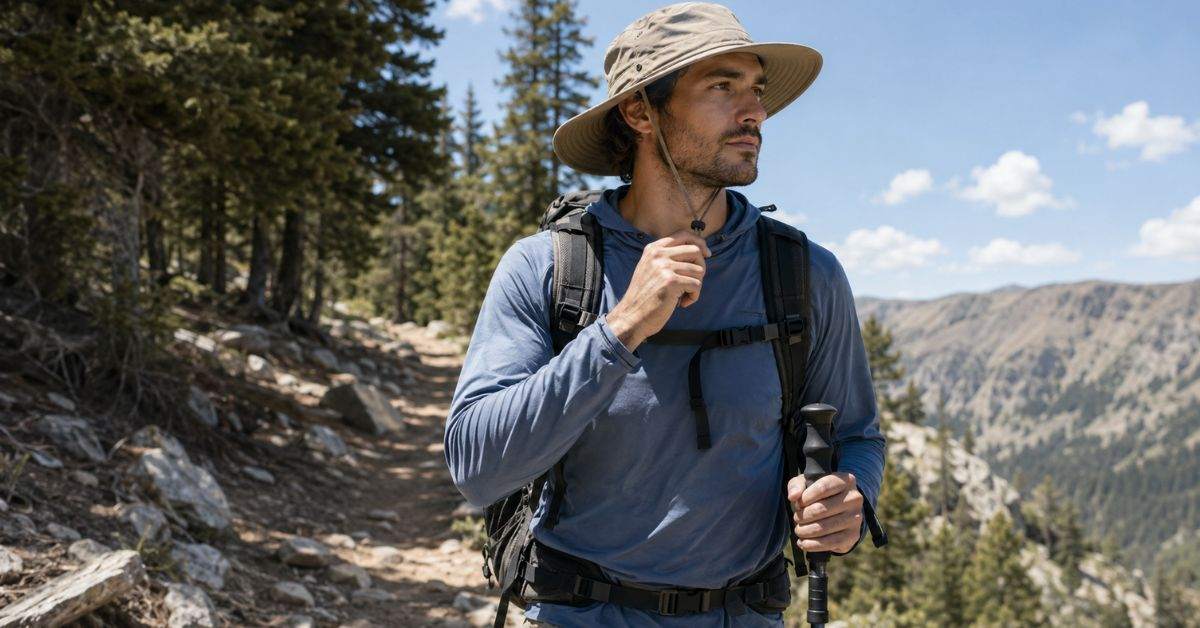
The Patagonia Quandary Brimmer is a balanced option for hikers who want wide coverage without a neck cape. Its brim shades the face and sides of the head, while the sweatband manages moisture. A chin cord improves security on exposed ridges.
It suits day hikes, backpacking, camping, travel, and dry weather. The semi-structured shape is more stable than many soft boonie hats, although it takes up more pack space. For mixed outdoor use, many hikers may consider it the best hiking hat because it combines coverage, comfort, and a casual appearance.
Best for Maximum Sun Coverage: Sunday Afternoons Ultra Adventure
The Sunday Afternoons Ultra Adventure is built for routes with little natural shade. It combines a wide front brim with a long rear cape, helping protect the face, ears, and neck.
Useful features include
- UPF-rated fabric
- Long neck cape
- Folding split brim
- Ventilation panels
- Adjustable sizing
- Lightweight construction
This may be the best hiking hat for desert trails, high-altitude routes, long summer walks, and sun-sensitive users. Its folding brim packs easily. The technical look will not suit everyone, and the cape may move in strong wind, but its coverage is excellent.
Best Convertible Cape Hat: Outdoor Research Sun Runner
The Outdoor Research Sun Runner combines a performance cap with a removable neck cape. Hikers can attach the cape on exposed sections and remove it in forests or cooler weather.
It offers mesh ventilation, moisture-wicking materials, adjustable sizing, and freedom of movement. Its flexible setup can make it the best hiking hat for routes that change between shade and strong sunlight. It works well for fastpacking and mixed terrain.
The cape may reduce airflow or peripheral vision. In humid conditions, removing it and using sunscreen or a sun hoodie may feel better.
Best Budget Pick: Columbia Bora Bora Booney II
The Columbia Bora Bora Booney II offers useful trail features at an affordable price. It has a flexible brim, ventilated crown, adjustable chin cord, and lightweight construction.
Its strengths include shade, airflow, easy packability, adjustable sizing, and versatility for hiking, camping, and fishing. For beginners, it may be the best hiking hat because it provides useful protection at a lower price.
Its soft brim can bend in strong wind, but the chin cord helps. Mesh areas may offer less protection than tightly woven fabric, so sunscreen remains important.
Best for Trail Running: Outdoor Research Swift Air Cap
Trail runners usually need low weight, airflow, and sweat control more than full neck coverage. The Outdoor Research Swift Air Cap uses breathable panels, a small brim, and quick-drying materials.
It suits trail running, fast hiking, humid routes, and steep climbs. For active users, it may be the best hiking hat when ventilation and freedom of movement matter most. It fits under a hood and takes up little space.
Its main limitation is reduced protection for the ears and neck. On exposed routes, use sunscreen or a sun hoodie.
Best Premium Hat: Tilley LTM6 Airflo
The Tilley LTM6 Airflo suits hikers who prefer a structured brim, classic style, and durable construction. Its ventilated crown releases heat, while the surrounding brim gives balanced shade.
A premium trail hat should stay comfortable and hold its shape. The LTM6 Airflo suits travel, camping, and everyday outdoor use, although it costs more than basic boonie hats.
| Trail condition | Recommended style | Suitable model |
| Desert or exposed alpine route | Brim with neck cape | Ultra Adventure |
| Mixed shade and sunlight | Removable cape | Sun Runner |
| Fast and sweaty movement | Running cap | Swift Air |
| General day hiking | Stable wide brim | Quandary Brimmer |
| Occasional budget use | Soft boonie | Bora Bora II |
| Premium hiking and travel | Structured ventilated hat | Tilley LTM6 |
This approach makes it easier to find the best hiking hat for real needs instead of choosing only by brand or price.
Fit, Care, FAQs, and Final Verdict
Even the best hiking hat will be uncomfortable if it is too tight, loose, or poorly shaped. Measure around the widest part of your head and compare it with the manufacturer’s size chart.
Before a long trip
- Test the hat with sunglasses.
- Wear it with your backpack.
- Check that the brim does not block vision.
- Adjust the chin cord safely.
- Confirm that air circulates around the crown.
Rinse away sweat, dust, and salt after use. Wash with mild soap, avoid high heat, and air-dry according to the care label.
FAQs
What UPF rating should a hiking hat have?
UPF 40 to 50+ provides strong fabric protection, but brim size and coverage also matter.
Is a wide-brim hat better than a cap?
A wide brim protects more of the face, ears, and neck. A cap may feel cooler during running.
What is the best hiking hat for hot weather?
Choose a lightweight model with ventilation, a wicking band, and enough shade for the route.
Can a running cap be used for hiking?
Yes. It works well for fast or shaded hikes, but the ears and neck need extra protection.
Should a hiking hat be waterproof?
Not always. Breathability, quick drying, and light water resistance are usually more useful.
Conclusion
Finding the right hiking hat requires a balance of coverage, ventilation, fit, packability, and trail suitability. The Patagonia Quandary Brimmer is a strong all-purpose option, while the Sunday Afternoons Ultra Adventure provides maximum coverage. The Outdoor Research Sun Runner offers adaptable protection, the Columbia Bora Bora Booney II delivers good value, and the Swift Air Cap supports runners and fast hikers.
Consider your route, time outdoors, and available shade. Test the hat with your normal equipment and follow the care instructions. Ultimately, the best hiking hat should protect you effectively while feeling light, secure, and comfortable throughout the journey.